

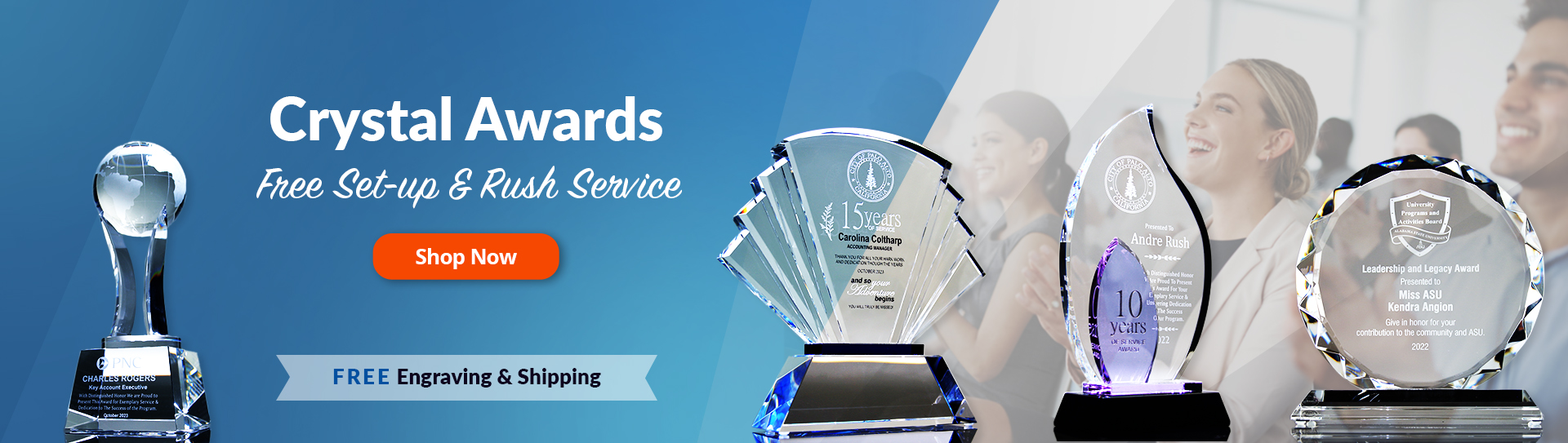
Crystal Awards & Crystal Trophies
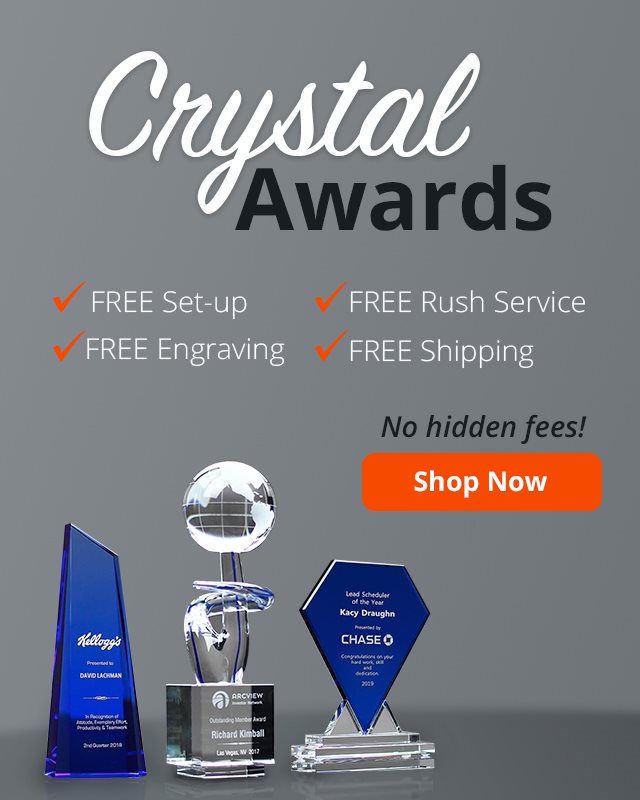
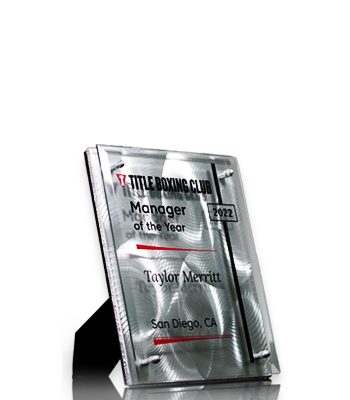
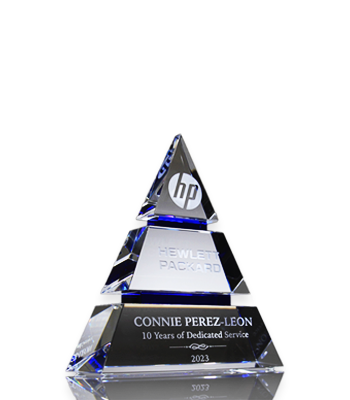
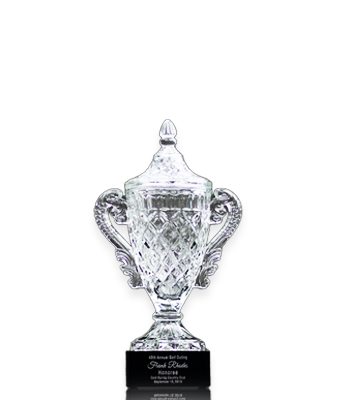
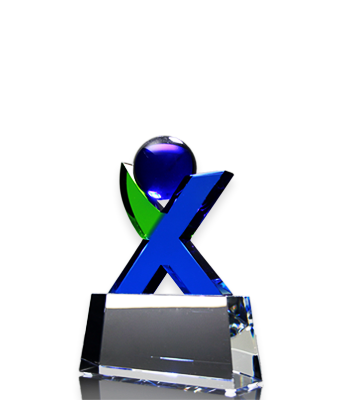
Business Trophies & Recognition Awards
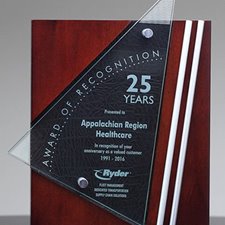
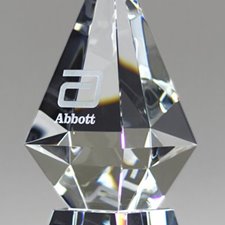
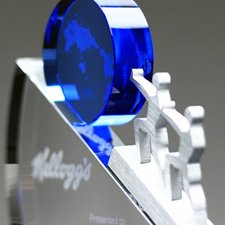
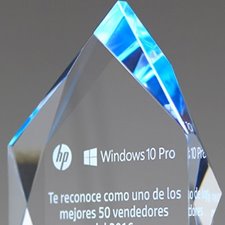
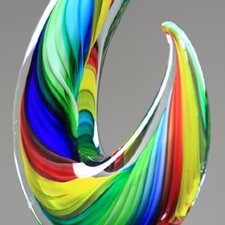

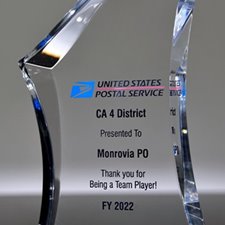
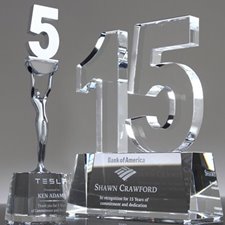
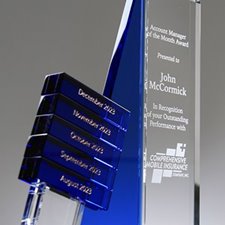
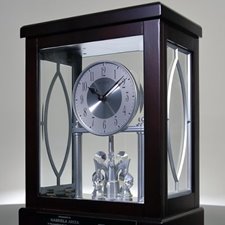
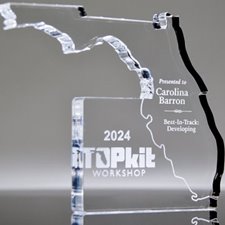

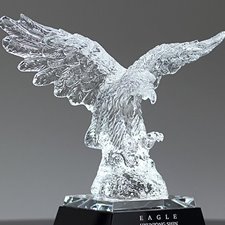
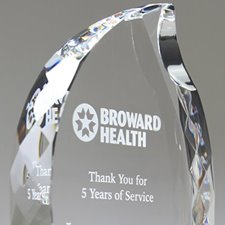
Inspired Award Designs
Our team can help select the perfect award to express
your message of graditude.
Inspired Award
Designs
Our team can help select the perfect award to
express your message of graditude.
Why Choose Edco Awards ?
 Responsive In-House Team
 Premium Quality Products
 In Business for over 50 years
 Highly Rated By Customers
 Lowest Price Promise
 Guaranteed On-Time Delivery
 FREE Engraving & Shipping
Responsive
FREE Engraving & Shipping
Responsive In-House Team
Premium Quality
In Business for over 50 years
Highly Rated By Customers
Lowest Price Promise
Guaranteed On-Time
Delivery
FREEEngraving &
Shipping
Responsive In-House Team
Premium Quality
In Business for over 50 years
Highly Rated By Customers
Lowest Price Promise
Guaranteed On-Time
Delivery
FREEEngraving &
Shipping
Employee Recognition Awards & Custom Trophies
EDCO Awards is a leading awards company supplying custom employee awards, trophies and plaques on the internet. We offer the most comprehensive collection of theme inspired awards produced from quality materials. EDCO has been supplying branded crystal trophies for employee recognition for over 50 years! We have a highly experienced team that manufactures products of the highest quality utilizing materials such as glass, acrylic, wood & stone.
Have questions? No problem, call or chat with our experienced advisers! We have a team standing by ready to help. Some of the largest organizations in the world use our products to show appreciation, recognize leadership and celebrate teamwork. Enjoy free rush service, fast shipping and 5-star service!

Employee Focused Awards
Give your managers what they need to recognize top performers. Choose from designs to honor achievements in sales, service milestones, leadership and teamwork.
View Corporate Awards
Celebrate with Trophy Awards
Recognize outstanding achievements and inspire continued success with Award Trophies by EDCO! Distinctively unique, EDCO Awards deliver on quality, style and durability.
View Trophy Awards
Why Choose Edco Awards ?
Responsive In-House Team
Premium Quality Products
In Business for over 50 years
Highly Rated By Customers
Lowest Price Promise
Guaranteed On-Time Delivery
FREE Engraving & Shipping
Responsive In-House Team
Premium Quality
In Business for over 50 years
Highly Rated By Customers
Lowest Price Promise
Guaranteed On-Time
Delivery
FREEEngraving &
Shipping
Responsive In-House Team
Premium Quality
In Business for over 50 years
Highly Rated By Customers
Lowest Price Promise
Guaranteed On-Time
Delivery
FREEEngraving &
Shipping